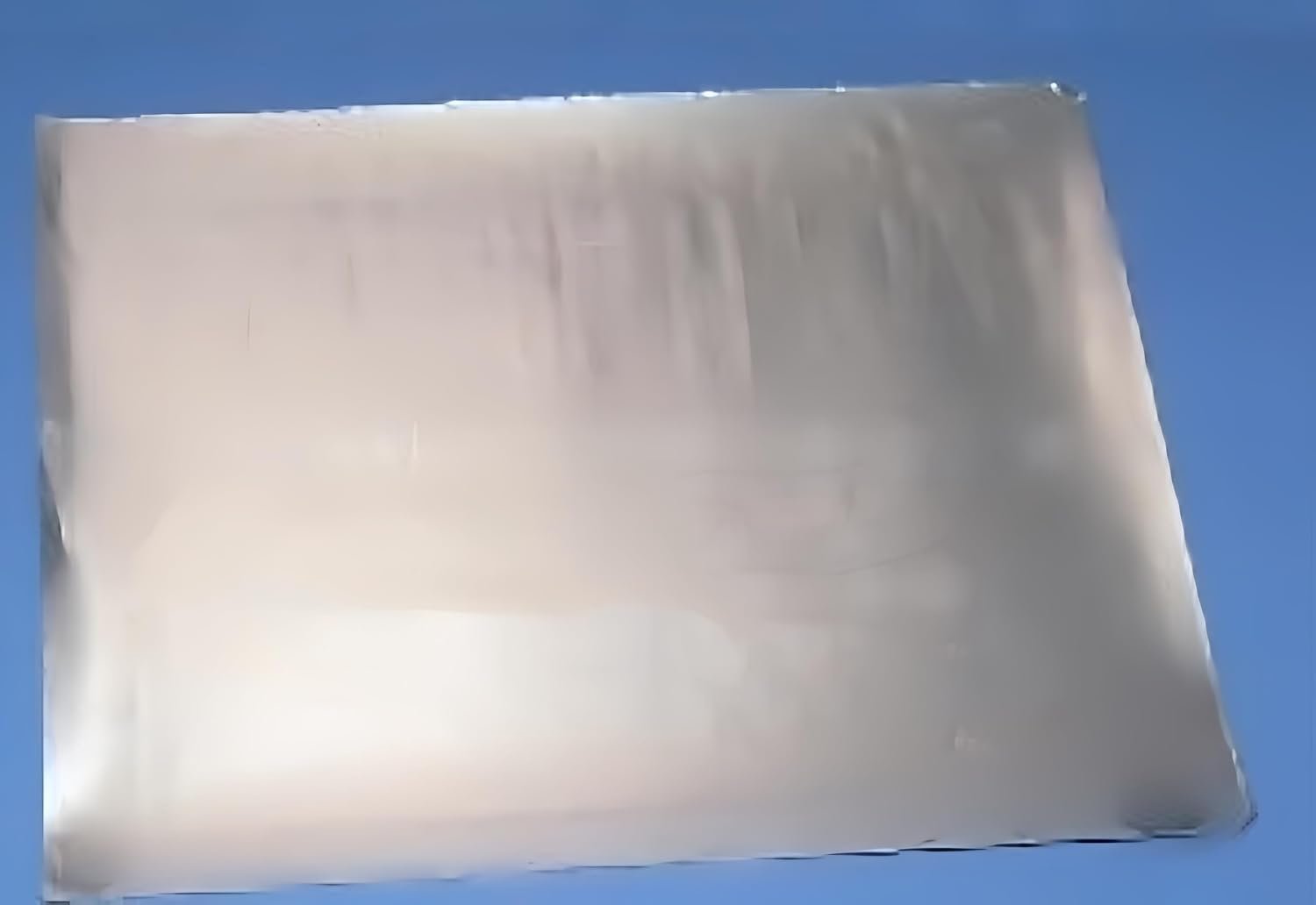
The PVDF Piezoelectric Film is a kind of polyvinylidene fluoride polymer piezoelectric material, featuring good flexibility, light weight, wide frequency response, and low acoustic impedance. It is widely used in sensors, medicine, acoustics and other fields.
When mechanical stress is applied to certain materials, charges proportional to the stress appear on the surface; these materials are called piezoelectric materials. Piezoelectric materials include piezoelectric crystals, piezoelectric ceramics, and piezoelectric polymers.
When you stretch or bend a piezoelectric polyvinylidene fluoride (PVDF) polymer film (piezoelectric film), a signal (charge or voltage) will be generated between the upper and lower electrode surfaces of the film, and it will be proportional to the degree of stretching or bending.
Piezoelectric thin films possess unique characteristics; as a dynamic strain sensor, they are highly sensitive to dynamic stress.
The principle of PVDF Piezoelectric Film
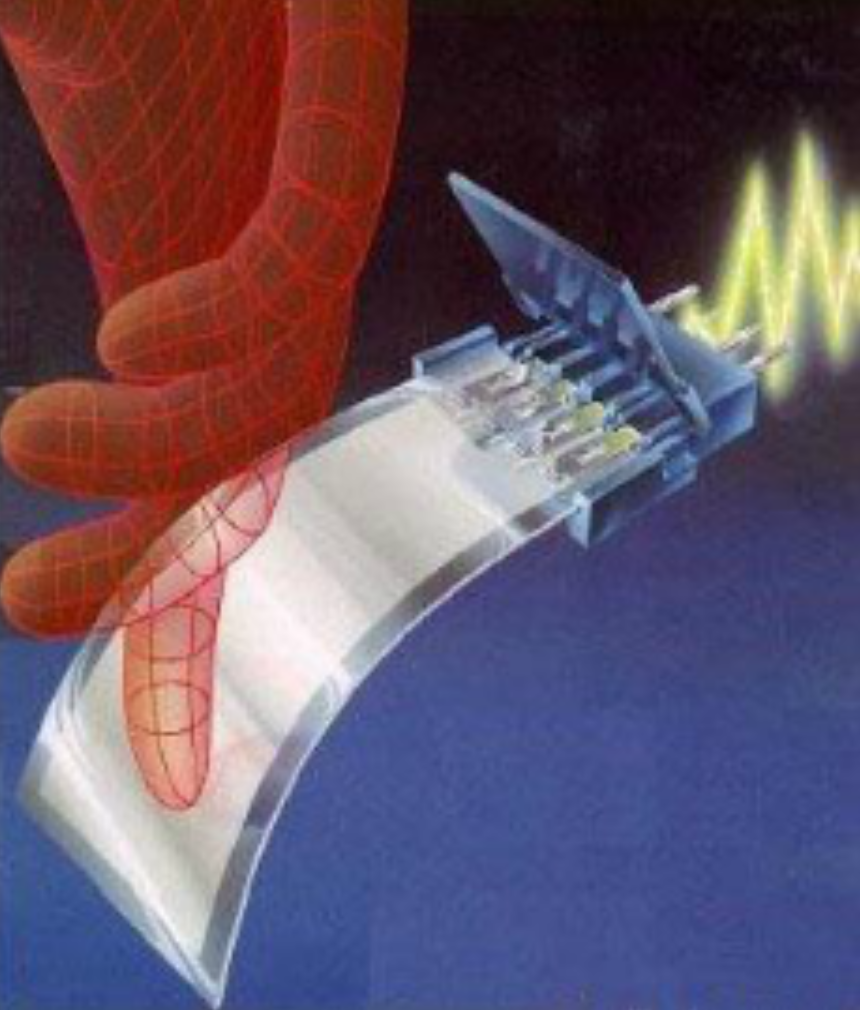
When you stretch or bend a piezoelectric polyvinylidene fluoride PVDF polymer film (piezoelectric film), an electrical signal (charge or voltage) is generated between the upper and lower electrode surfaces of the film, which is proportional to the stretching or bending deformity.
Piezoelectric thin films are highly sensitive to dynamic stress; the typical sensitivity of 28μm thick PVDF is 10~15mV/microstrain (changes in length per million).
It is generally believed that the piezoelectricity of PVDF can be attributed to the following two mechanisms:
1. Size effect. The size effect is defined as the piezoelectricity caused by the change in membrane thickness when the dipoles are assumed to be rigid and do not change with the applied stress. The reduction in membrane thickness leads to an increase in induced charges on the membrane surface.
2. Intrinsic piezoelectricity of the crystalline phase. The piezoelectricity of the crystalline phase is determined by the electrostrictive effect and the residual polarization. The polarization strength in the crystalline region is dependent on strain, causing internal piezoelectricity in the crystalline region.
The Characteristics of PVDF Piezoelectric Film
The PVDF piezoelectric films are very thin, lightweight, and extremely flexible, allowing passive operation, making them widely applicable to medical sensors, especially when detecting subtle signals. Obviously, the material's characteristics are especially prominent when power supply is limited (in some structures, even small amounts of energy can be generated). Moreover, piezoelectric films are extremely durable, able to withstand millions of bending and vibrations.Notes for Attention:
1. PVDF piezoelectric film can be cut with scissors and made into any shape; Since the PVDF piezoelectric film substrate is polymer, it cannot be directly welded to the electrode; other methods such as riveting or bonding can be used.2. Surface electrode protection: Do not touch the piezoelectric film or sensor components directly with your hands to avoid sweat corroding the electrode surface; Use appropriate tools and carefully install sensor components to avoid mechanical damage; Operators are requested to wear gloves and masks while working.
3. Storage and Protection: Store in a dry and room temperature environment, and avoid contact with highly corrosive chemicals; The entire PVDF film should be flattened using appropriate clamping devices as much as possible.
The PVDF piezoelectric film possesses excellent characteristics such as good flexibility, high mechanical strength, easy matching of acoustic impedance, wide frequency response range, and resistance to chemical and oil corrosion. It can also be processed into large-area and complex-shaped films for use. This opens up a new field for the application of piezoelectric materials. The PVDF piezoelectric film has a wide range of applications and can be made into various transducers for use in industrial production, medical industry, and daily life, etc.